
Check Texas Building Permit Jurisdiction and Property Information
ALFAP TX helps you start researching building and development permits in Texas by identifying the likely permitting authority, available property information, and possible engineering needs from a verified address and project description. Results are preliminary — confirm all requirements with the applicable authority.
- See your FEMA flood zone
- Find your permitting authority
- Get a next-step checklist
Preliminary guidance only. ALFAP TX provides preliminary informational guidance based on available public data and information provided by the user. Results are not a permit determination, legal opinion, code-compliance certification, engineering opinion, inspection, signed or sealed engineering report, or guarantee of approval. Requirements and property conditions must be confirmed with the applicable authority and, when appropriate, a licensed Professional Engineer.
A preliminary check across six areas
Each result is labeled as verified information, preliminary guidance, or unable to verify — so you always know what is confirmed and what to check further.
Property location
Verified Texas address, city, county, and whether the site appears inside or outside incorporated municipal limits.
FEMA flood zone
Mapped flood zone and FEMA panel reference from current public flood hazard data, with source and retrieval date.
TDI windstorm status
Whether the property appears within a Texas Department of Insurance designated catastrophe area, with WPI-8 and WPI-8E distinguished.
Likely permitting authority
The probable city, county, or other permitting authority, labeled as likely until confirmed directly with the agency.
Possible engineering services
Civil, structural, foundation, drainage, floodplain, MEP, SWPPP, TDI, and permit-support services that may be relevant.
Items needing verification
A clear list of items that could not be verified, so you know what to confirm with the authority or a Professional Engineer.
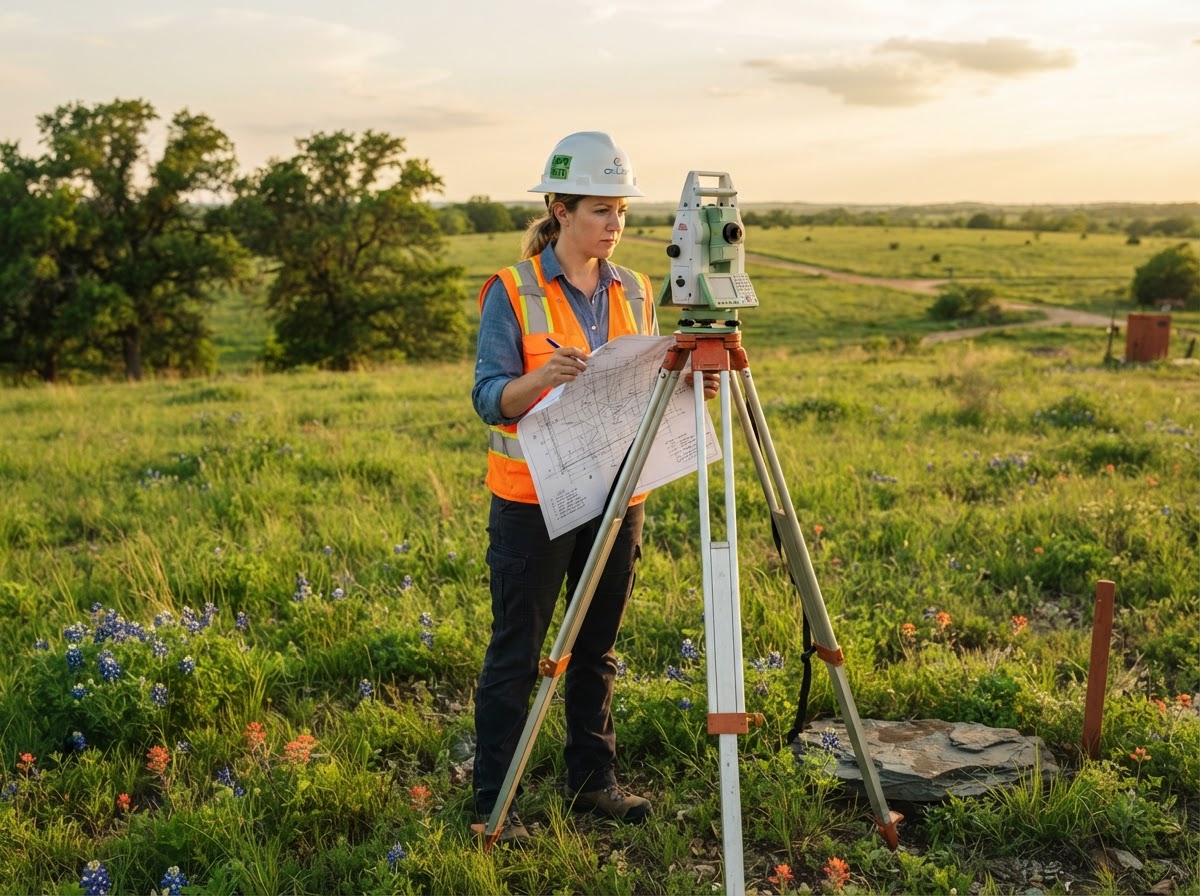
Four steps to a preliminary property check
Enter the Texas property address
Use address autocomplete and verification. We confirm the address is in Texas before continuing.
Add property and project information
Property type, proposed work, existing and proposed use, area, and permit status. No contact information is required to see the preliminary result.
Review your preliminary results
Flood zone, TDI windstorm status, likely permitting authority, possible engineering services, and a recommended document checklist.
Request an engineer review
If you want a professional opinion, request a review or quote from ALFA Engineering, or call 832-573-0305.

What you need
- The Texas property street address (autocomplete helps).
- The property type — residential, commercial, multifamily, industrial, vacant land, or other.
- The proposed work — new construction, addition, remodel, repair, change of occupancy, site development, drainage improvement, foundation evaluation, structural inspection, TDI windstorm inspection, stormwater quality inspection or renewal, permit correction, or other.
- Optional: estimated building and lot area, number of stories, existing permit status, agency comments, and a project description.
What the results include
- Verified property address with city, county, and jurisdiction status.
- Likely permitting authority with an official link when verified.
- FEMA flood information with map or panel reference and retrieval date.
- TDI windstorm status, with WPI-8 distinguished from WPI-8E.
- Possible engineering services and a project-specific document checklist.
- A downloadable preliminary report with a unique reference number.
Why a preliminary Texas property check matters
Know your jurisdiction, your flood data and what to confirm next — before you buy, design or build.
Texas permitting jurisdiction differs sharply from city to city and county to county. A property inside Houston city limits answers to Houston Public Works and the Infrastructure Design Manual; a few miles west in the county ETJ, the same project may fall under Harris County Engineering and different drainage criteria. Dallas, Fort Worth, Austin, and San Antonio each maintain their own permit portals, plan-review process, and adopted codes. ALFAP TX identifies the likely permitting authority and labels it as likely until you confirm directly with the agency.
FEMA flood-zone checks use current public National Flood Hazard Layer data. A mapped Zone AE or Zone X is informational only — Zone X is not a guarantee of "no flood risk," and ALFAP TX never states that a property is safe from flooding. When FEMA data is unavailable for a location, ALFAP TX shows "Flood data unavailable" rather than estimating a result.
Most checks run at the verified address point, not the whole parcel. The flood zone, Special Flood Hazard Area flag, and Regulatory Floodway result are computed at that point — they do not confirm whether another portion of the parcel intersects a flood zone or floodway. Parcel-wide conditions, zoning, easements, platting, and deed restrictions are not verified by the tool and must be confirmed with the applicable agency, the county appraisal district, or a surveyor.
TDI windstorm applicability depends on whether a property lies within the Texas Department of Insurance designated catastrophe area, which can follow partial-county and coastal boundaries. ALFAP TX does not decide TDI applicability from the county name alone. It distinguishes WPI-8 (Certificate of Compliance associated with inspected ongoing or new construction) from WPI-8E (Certificate of Compliance for completed construction) and directs you to official TDI verification when the result is uncertain.
Residential and commercial project preparation both benefit from a preliminary check. For a residential addition, that may mean confirming flood-zone location, the permitting authority, and whether structural or foundation engineering will be requested. For a commercial change of occupancy or site development, it may mean identifying drainage, detention, SWPPP, MEP, and Fire Marshal requirements early. ALFAP TX lists possible engineering services using conditional language — may be required, often requested, confirm with the applicable authority, professional review recommended — and never states a service is definitely required unless the conclusion comes from a current, verified, directly applicable official rule.
ALFAP TX uses official public information wherever it is technically available, stores every jurisdiction rule with its source URL and last-verified date, and shows "Unable to verify" when required data is missing — so you are never given a fabricated or unsupported conclusion.

Researching a Texas building permit
Where do I start researching a building permit in Texas?
Start by identifying the permitting authority for your exact property address. Texas permitting is handled at the city or county level — a property inside city limits typically falls under the city's building department, while unincorporated areas fall under the county. ALFAP TX resolves the likely permitting authority from your verified address and provides an official link when one is verified. Next, check whether the property is in a FEMA flood zone or a TDI windstorm area, since both can affect plan-review requirements. Then review the authority's official permit portal for current application forms, required documents, and fee schedules. ALFAP TX organizes these steps in one preliminary report so you know what to confirm before applying.
Does my mailing city identify my permitting authority?
Not always. A mailing city or ZIP code does not determine jurisdiction. A property may fall inside city limits, in an extraterritorial jurisdiction (ETJ), or in an unincorporated county area — each with a different permitting authority. ALFAP TX checks city-limit status against U.S. Census TIGERweb boundaries and labels the result as likely until you confirm directly with the agency. ETJ boundaries have no public statewide layer and are marked for verification when a property appears outside city limits. Always confirm jurisdiction with the applicable city or county before submitting a permit application.
What information should I gather for a new home, addition, remodel, commercial alteration, or site-development project?
The information you need depends on the project type and the permitting authority. Common items include the exact property address, a survey or plat, a site plan showing existing and proposed structures, the proposed scope of work, estimated building and lot area, and any existing permits or agency comments. For new homes and additions, structural and foundation design documents may be requested. For commercial alterations, code analyses, MEP plans, and accessibility reviews may apply. For site-development projects, drainage, detention, and SWPPP plans are often relevant. ALFAP TX asks for the proposed work and project scope, then tailors the recommended documents and possible engineering services accordingly. Confirm the exact requirements with your permitting authority.
How can flood-zone information affect project preparation?
If any part of the site lies in a FEMA Special Flood Hazard Area (such as Zone AE, A, or VE), the local floodplain administrator may require a floodplain development permit, an elevation certificate, or an engineer's no-rise certification before construction. Flood-zone information can also affect foundation design, building elevation, and insurance requirements. ALFAP TX looks up the FEMA flood zone at the verified address point using the public National Flood Hazard Layer and returns the flood zone, SFHA flag, FIRM panel number, and effective date. The floodway result is computed at the address point only — it does not confirm whether another part of the parcel intersects the floodway. When FEMA data is unavailable, the tool shows Unable to verify rather than estimating. Confirm any flood result with FEMA Map Service Center or the local floodplain administrator.
How do I confirm the requirements with the official authority?
ALFAP TX labels every result as verified, preliminary, or unable to verify, and provides an official link to the permitting authority when one is confirmed. To confirm requirements, contact the city or county building department directly — by phone, email, or through their official permit portal. Ask about current permit application requirements, required documents, fee schedules, and review timelines for your specific project type and location. Requirements can change, so verify with the authority before preparing or submitting plans. ALFAP TX does not issue permits, check application status, or guarantee approval. When engineering documents are required, a licensed Professional Engineer can prepare or review them for compliance with the authority's current criteria.
Common questions about checking a Texas property
How can I check a Texas property's FEMA flood zone?
ALFAP TX looks up the FEMA flood zone at a verified Texas address using the public National Flood Hazard Layer, and returns the flood zone, Special Flood Hazard Area flag, FIRM panel number, and effective date. The Regulatory Floodway result is computed at the address point only — it does not confirm whether another part of the parcel intersects the floodway. When FEMA data is unavailable for a location, the tool shows "Unable to verify" rather than estimating a result. Confirm any flood result with FEMA MSC or the local floodplain administrator before relying on it.
How do I identify the likely permitting authority?
ALFAP TX resolves the probable city, county, or agency from boundary data and labels it "likely" until you confirm directly with the agency. A mailing city or ZIP code does not always identify the correct authority — a property may fall inside city limits, in an extraterritorial jurisdiction (ETJ), or in an unincorporated county area. City-limit status is checked against U.S. Census TIGERweb boundaries; ETJ has no public statewide boundary layer and is marked for verification outside city limits. Confirm jurisdiction with the applicable authority, especially near city-limit or ETJ lines.
What should I check before buying land in Texas?
Before purchasing, consider jurisdiction, intended use, access, easements, utilities, flood zone, drainage, platting status, deed restrictions, and possible engineering requirements. ALFAP TX organizes preliminary property and permit considerations — flood zone, TDI windstorm, the likely permitting authority, and possible engineering services — so you know what to confirm before buying, designing, or building. It does not replace a survey, title report, environmental review, or legal opinion. Confirm critical acquisition decisions with the applicable agencies and, when appropriate, a licensed Professional Engineer.
Does a remodel require engineering plans?
It depends on the scope. Interior, non-structural remodels often do not require engineering plans, but load-bearing wall removals, additions, foundation changes, and structural modifications may require PE-stamped documents. ALFAP TX asks for the proposed work and project scope — for example, "Interior work only" versus "Structural changes" — and tailors the recommended services and documents accordingly. The applicable permitting authority makes the final determination, so confirm requirements before starting work.
Does this tool confirm that a property is buildable?
No. ALFAP TX is a preliminary screening tool. It does not confirm that a property is safe, buildable, code-compliant, or approved for a permit. Buildability depends on jurisdiction, zoning, land use, deed restrictions, access, easements, utilities, setbacks, platting, floodplain, drainage, soil conditions, and permitting requirements — many of which the tool does not verify. Use the results to identify what to confirm next with the applicable authority and, when appropriate, a licensed Professional Engineer.
Questions to ask before you buy, design or build in Texas
How do I find Texas licensed engineers for my construction project?
Start by confirming that both the engineer and engineering firm are authorized to provide engineering services in Texas. The Texas Board of Professional Engineers and Land Surveyors maintains official license and firm-registration searches. ALFA Engineering, LLC provides civil, structural, foundation, MEP, drainage, inspection and permit-support services under Texas-licensed Professional Engineers. Share your property location and proposed work so the appropriate engineering disciplines can be identified.
Which Texas structural engineers can prepare PE-stamped plans for my project?
Texas structural engineers may prepare structural calculations, framing plans, foundation plans, connection details and other structural documents within their professional competence. The required documents depend on the building, proposed work, site conditions and permitting authority. ALFA Engineering prepares structural engineering documents for qualifying residential and commercial projects after reviewing the project scope.
When should I hire Texas civil engineers for site development, drainage or utilities?
Texas civil engineers are commonly needed when a project involves site layout, grading, drainage, detention, water lines, sanitary sewer, access, parking, utility coordination or land development. Requirements vary by property and jurisdiction. ALFAP TX can identify preliminary property and permitting considerations, while an engineering review can determine which civil plans or calculations may be appropriate.
Do I need Texas windstorm engineers or a TDI windstorm inspection for my property?
A Texas windstorm engineer or inspection may be relevant when construction is located in an area subject to the Texas Department of Insurance windstorm program. Applicability depends on the property location and construction scope. ALFA Engineering can assist qualifying projects with windstorm engineering and inspection services, but TDI determines program requirements and issues applicable certificates of compliance.
Where can I schedule a Texas foundation inspection by a licensed Professional Engineer?
You can request a Texas foundation inspection from ALFA Engineering for a residential or commercial property. Depending on the agreed scope, the inspection may address visible distress, floor elevations, foundation performance and related structural conditions. Some situations may also require surveying, plumbing testing, geotechnical investigation or other specialized services.
Can Texas permit support engineers help with city or county plan-review comments?
Yes. Texas permit support engineers can review engineering-related comments, revise applicable drawings or calculations and prepare technical responses for resubmittal. The necessary work depends on the original documents, project scope and reviewing authority. ALFA Engineering can assist with engineering coordination, but the responsible authority makes the final permit decision.
Does my Texas construction project require a licensed Professional Engineer?
It depends on the project type, scope, location, applicable law and requirements of the authority having jurisdiction. Structural modifications, foundations, retaining walls, drainage systems, commercial development and similar work may require engineering analysis or PE-stamped documents. ALFAP TX provides preliminary guidance, but a Texas-licensed Professional Engineer should review the actual project before confirming its engineering scope.
How do I know whether I need a civil, structural, foundation or MEP engineer?
Civil engineering generally covers site development, grading, drainage, detention and utilities. Structural engineering addresses loads, framing, connections and structural stability; foundation engineering addresses how building loads are transferred to the soil; and MEP engineering covers mechanical, electrical and plumbing systems. Many projects need more than one discipline, so the property and proposed work should be reviewed together.
What PE-stamped engineering plans may be needed for a Texas building permit?
A Texas permit submittal may require civil plans, site plans, foundation plans, framing plans, structural calculations, MEP plans, drainage calculations or other supporting documents. Not every project requires every document. The applicable authority and project scope should be confirmed before the engineering deliverables are established.
Can I build my planned residential or commercial project on this Texas property?
That determination may depend on jurisdiction, land use, deed restrictions, access, easements, utilities, setbacks, platting, floodplain conditions, drainage, soil conditions and permitting requirements. ALFAP TX can organize preliminary property and permit considerations, but it does not guarantee development or permit approval. Important acquisition and construction decisions should include appropriate agency and professional verification.
What should I check before buying land or property in Texas?
Before purchasing, consider the legal property description, jurisdiction, intended use, access, easements, utilities, flood information, drainage, platting status, deed restrictions and possible engineering requirements. The necessary level of due diligence depends on the intended project. ALFAP TX helps identify preliminary questions that may need to be resolved before buying, designing or building.
Which city, county, ETJ or agency has jurisdiction over my Texas property?
A mailing address does not always identify the correct permitting authority. A property may be within a city, an extraterritorial jurisdiction, an unincorporated county area, a special district or overlapping agency boundaries. ALFAP TX can provide a preliminary jurisdiction check, but the responsible government agencies should confirm final authority.
How do I check whether my Texas property is in a FEMA flood zone?
Begin with the official FEMA Flood Map Service Center and applicable local floodplain information. A mapped flood zone does not describe every site-specific condition or development requirement. ALFAP TX can flag preliminary flood considerations, while official determinations and permit requirements must be confirmed through the appropriate agencies and qualified professionals.
Will my Texas project require a drainage study or detention pond?
The answer depends on the site location, development size, proposed impervious cover, existing drainage, downstream conditions and local criteria. Projects that materially change runoff may require drainage calculations, detention or retention, grading plans or stormwater infrastructure. A Texas civil engineer can evaluate the proposed development against the applicable requirements.
Can ALFAP TX identify permit, flood, windstorm and engineering risks before I buy or build?
ALFAP TX provides a preliminary Texas property and permit check covering jurisdiction, permits, flood information, windstorm considerations and possible engineering needs. It can identify matters that deserve further investigation and help organize the next questions to ask. It is an informational screening tool, not a survey, title report, legal opinion, engineering design, official agency determination or guarantee of approval.
When do I need a Texas structural inspection for a home or commercial building?
A Texas structural inspection may be appropriate when there are signs of movement or damage, before purchasing a property, after a storm, during a renovation or when structural modifications are planned. The inspection scope depends on the concern and accessible conditions. ALFA Engineering can review the request and confirm whether a site inspection, document review or additional testing is appropriate.
Can a Texas structural engineer evaluate a load-bearing wall removal?
Yes. A Texas structural engineer can evaluate the loads supported by an existing wall and determine whether a beam, posts, connections or foundation modifications may be needed. Existing construction must be verified before a final design is prepared. Permit requirements and the availability of original plans can also affect the scope.
Do I need a Texas foundation engineer for cracks or uneven floors?
Cracks or uneven floors do not by themselves establish the cause or necessary repair. A Texas foundation engineer may evaluate visible conditions, floor elevations, structural performance and available site information. Depending on the findings, additional plumbing, geotechnical, drainage or survey information may be recommended before conclusions are reached.
Can Texas civil engineers prepare grading and drainage plans for my property?
Yes. Texas civil engineers can prepare grading and drainage plans for qualifying residential, commercial and land-development projects. The scope may include proposed elevations, drainage direction, stormwater conveyance, detention considerations and supporting calculations. Applicable city, county or drainage-district criteria must be identified before the design is finalized.
When is SWPPP preparation required for a Texas construction project?
SWPPP and construction stormwater requirements depend on the amount of disturbed land, the relationship to a larger common plan of development and applicable TCEQ or local requirements. Project conditions should be reviewed before determining what documentation, notices, controls or inspections apply. ALFA Engineering can assist qualifying projects with SWPPP preparation and related stormwater services.
Can a Texas engineer help with floodplain development and FEMA compliance?
Yes. A Texas engineer may assist with floodplain information, drainage analysis, elevation-related documentation, no-rise evaluations or other technical services depending on the project. Requirements vary by flood zone and local floodplain administrator. FEMA mapping and the applicable local authority should be consulted before establishing the required scope.
Do Texas commercial projects need civil, structural and MEP engineering plans?
Many commercial projects require coordination among civil, structural and MEP disciplines, but the exact combination depends on the building, site, occupancy, proposed work and jurisdiction. A preliminary project review can identify likely disciplines and permitting documents. Final requirements remain subject to the authority having jurisdiction and the agreed professional scope.
Can Texas engineers prepare permit-ready construction documents?
Texas engineers can prepare qualifying engineering drawings, calculations and specifications for permit submittal within an agreed scope of services. Permit-ready does not mean approval is guaranteed, because reviewing authorities may request clarification or revisions. ALFA Engineering can also assist with engineering-related responses during plan review.
How much do engineering plans or inspections cost in Texas?
Engineering fees vary with project type, size, complexity, location, available records, site access, required disciplines and deliverables. A reliable fee normally requires reviewing the property and proposed work first. Provide the address, project description, available plans and agency comments to request a project-specific scope and fee.
What information should I send to a Texas engineering firm for a project review?
Send the property address, intended use, description of the proposed work, available surveys or plans, photographs, known site conditions and any permit or plan-review comments. For an existing building, include the concern and relevant construction history when available. Clear initial information helps the engineering firm identify the appropriate disciplines, scope and next steps.
Engineering services and locations across Texas
ALFAP TX is operated by ALFA Engineering, LLC. Each Texas city below links to its dedicated engineering, permits, and development resources page — covering floodplain considerations, drainage rules, windstorm requirements, and the likely permitting authority for that jurisdiction.
Related Engineering Services
Built for Texas property owners — coast to Panhandle
ALFAP TX resolves the likely permitting authority for more than 100 Texas cities and 14 counties, with new jurisdictions added regularly. From Gulf Coast windstorm zones in Houston, Galveston, Corpus Christi, and Brownsville, to Hill Country permitting in Austin, San Antonio, Boerne, and Fredericksburg, to North Texas markets in Dallas, Fort Worth, Plano, Frisco, Denton, and Wichita Falls, to West Texas engineering in Midland, Odessa, Lubbock, Amarillo, and El Paso — the tool adapts to the rules that apply at your specific address.
Explore specific ALFAP TX preliminary checks
Each check focuses on one part of a Texas property and permit review — the permitting authority, flood zone, TDI windstorm, drainage, site plans, building permits, and location-specific checks for Houston and Harris County.
Ready to check a Texas property?
Start a preliminary property and permit check, or request a professional engineer review from ALFA Engineering.